January 18, 2024
Bed bug shells are the pale, translucent, empty exoskeletons bed bugs leave behind after molting. They can vary in size depending on the bed bug’s life stage and are commonly found in mattress seams, box springs, bed frames, furniture crevices, and other hiding places. Finding shed skins can be an important sign of bed bug activity, but it should be considered alongside other evidence such as live bugs, eggs, fecal spots, or blood stains.
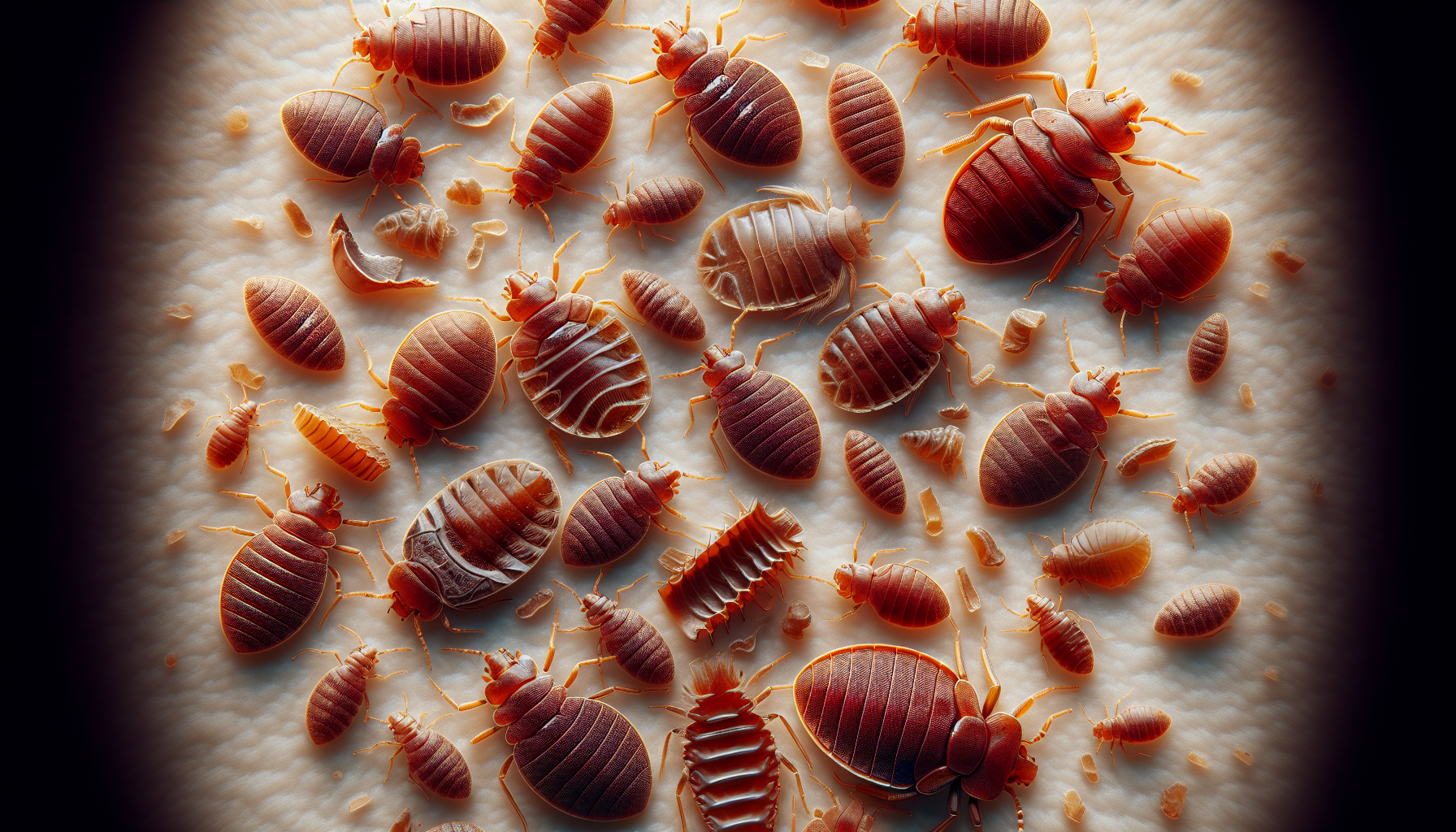
Detecting the presence of bed bugs isn’t always as simple as spotting a live bug. These crafty creatures, especially juvenile bed bugs, can expertly conceal themselves during the day, only to come out at night for a blood meal. But fear not, these bugs leave telltale signs behind, such as bed bug eggs, their shed skin or shells, a bed bug shed shell, and even a dead bed bug shell.
These shells, or casings, are leftovers from the bed bug molting process, an important stage in their growth and maturation. When bed bugs molt, they split their exoskeleton and wriggle out of it, leaving behind an empty shell. These bed bug shed shells are often found in the same areas where bed bugs hide and bite, making them a crucial clue in detecting a bed bug infestation. A dead bed bug shell may also be found near hiding spots and can provide another indication that bed bugs are present.
Bed bug casings are typically translucent, pale yellow, light tan, or straw-colored. Their lighter appearance helps distinguish shed skins from live or dead adult bed bugs, which are usually darker.
Having understood the importance of bed bug shells and shed skin, we can now explore their appearance. These empty casings are reddish-brown, rigid, and crunchy. They also come in varying sizes and shapes, reflecting the different life stages of the bed bug that shed them.
The size of these shells can range from tiny to quite noticeable, with some nymph bed bugs shedding skins that are as small as 1/16 inch long. Detecting these shells demands sharp eyes and some knowledge, and their presence signals a probable need for action against a bed bug infestation.
Bed bug shells increase in size as nymphs grow through their developmental stages.
|
Bed Bug Life Stage |
Approximate Shell Size |
|
1st nymph stage |
~1–1.5 mm |
|
2nd nymph stage |
~2 mm |
|
3rd nymph stage |
~2.5 mm |
| 4th nymph stage |
~3–3.5 mm |
| 5th nymph stage |
~4–5 mm |
Shedding old skin is a natural part of the maturation process for bed bugs. This process, known as ecdysis, happens five times throughout their lifetime. Each stage of bed bugs shedding is a step toward adulthood, allowing them to mature and continue to bite and feed on their hosts.
During this process, a bed bug leaves behind a bed bug shedding shell, which is the empty exoskeleton it has outgrown. Abandoning their old exoskeleton also helps them get rid of any parasites on their shells. So, the presence of these shells and shed skin doesn’t just indicate an infestation. It can also indicate an expanding and evolving bed bug population in your home, underscoring the importance of early detection.

Although bed bug shed skin and shells can be discovered throughout your home, certain locations are more commonly preferred. Bed bugs tend to stay close to their food source – us! Hence, bedroom areas like mattresses, box springs, and bed frames are some of their most frequent hiding spots.
However, these critters don’t limit themselves to bedrooms. They can also hide in other furniture, such as sofas, as well as in personal belongings. If they’re feeling particularly adventurous, you might even find bed bug shed skin in unexpected places like behind picture frames, inside electrical outlets, and along the folds of curtains.
Let’s examine the bedroom more closely, a favored dwelling of these irritating pests. Bed bug shells and shed skin are typically found in the seams, folds, and crevices of mattresses and box springs, or behind headboards.
But don’t limit your inspection to the bed. Other spots in the bedroom, like:
should also be thoroughly checked. Even pillows and pillow covers, which are in close contact with us, may harbor these signs, making them prime locations for your investigation.
Beyond the bedroom, other household furniture can also serve as a breeding site for adult bed bugs. They love to hang out on furniture made of wood, paper, or fabric, as well as in upholstered furniture and personal belongings.
When inspecting upholstered furniture, pay close attention to the pillows, seams, and chairs for light-colored shells and shed skin. For wooden furniture, check the undersides and hidden areas, especially the cracks and crevices. And remember, these shells and shed skin can even be found in electronic devices like clocks, TVs, and smoke detectors.
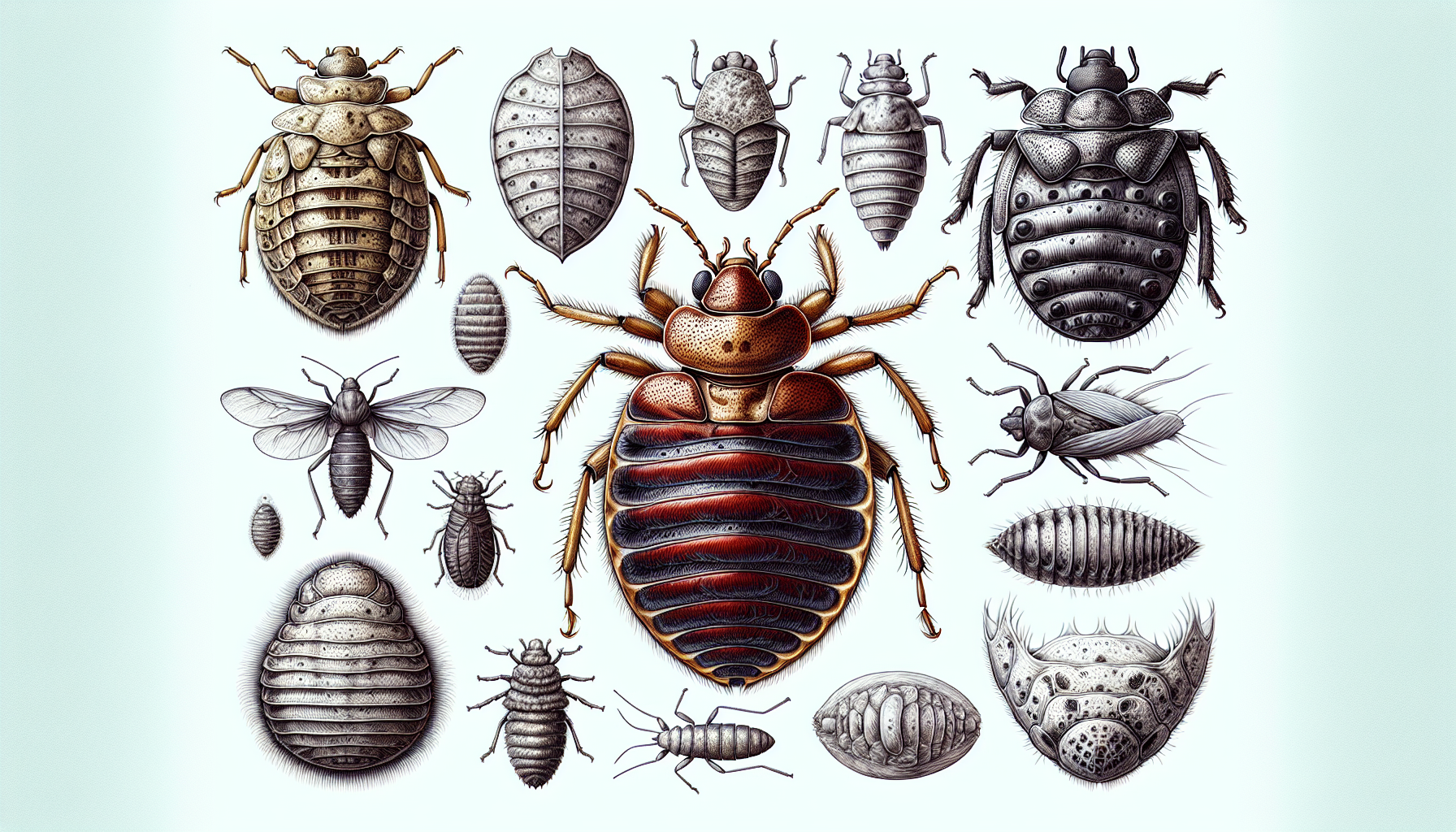
Since not all insect shells and shed skin come from bed bugs, knowing how to differentiate them is essential. Bed bug shed skin is typically dry, hollow, and somewhat translucent, resembling the empty shells left behind by other insects after molting.
Bed bug shed skin is usually lighter in color and has the appearance of an empty bed bug casing. It is left behind when bed bugs shed their exoskeleton multiple times as they grow and mature into adulthood.
It’s common for people to confuse other objects or insect remnants with bed bug shells and shed skin. These common misidentifications include:
|
Often confused with |
How it differs from a bed bug shell |
| Carpet beetle skins | Covered in fine hairs, oval-to-cigar shaped, and generally more rigid |
| Spider egg sacs | Round, sometimes spiky, and not shaped like a hollow insect body |
| Lint or dust | No defined body segments, legs, or antennae impressions |
| Food crumbs | Irregular shape, no consistent translucent quality |
| Human skin cells | No structured shape at all — bed bug shells retain a recognizable body outline |
Accurate identification of bed bug shells and shed skin can be achieved by examining their:
These shells can range from 1 mm to 7 mm, depending on the life stage of the bed bug that shed them.
These shells and shed skin are usually:
If you’re still unsure, you can always seek advice from professional pest control services for a more accurate identification.
|
Feature |
Bed Bug Shell |
Dead Bed Bug |
| Interior | Hollow/empty | Body remains |
| Color | Usually translucent/tan | Usually darker |
| Texture | Thin and brittle | More substantial |
| Shape | Bug-shaped casing | Complete insect |
| What it indicates | A nymph has molted | A bed bug has died |

Finding bed bug shells and shedded skin bed bug skin shells should prompt immediate action. The first step involves thoroughly cleaning the affected area and safely disposing of the shells and shed skin. This is important to help prevent bed bugs from spreading to other parts of your home.
After cleaning, inspect the area carefully for live bed bugs. Look for signs such as shedded skin, bed bug skin shells, eggs, or other evidence of activity. This will help you assess the severity of the infestation and determine the appropriate next steps.
To safely dispose of bed bug shells and shed skin:
Cleaning the area can remove shed skins and other debris, but disposing of bed bug shells alone will not eliminate an infestation. Inspect the surrounding area for live bed bugs, eggs, and other signs of activity.
After cleaning and disposal, it’s crucial to inspect your home for live bed bugs. This step is necessary to assess the severity of the infestation and to ensure that no bed bugs were missed during the initial cleanup.
To inspect for live bed bugs, you’ll need some tools, such as bed bug monitors, a flashlight, and something stiff and flat, like a credit card or paint scraper. Remember, bed bugs are most active at night and like to hide in cracks and crevices during the day.

Once you’ve dealt with bed bugs, a few simple habits can help keep them from coming back. Use mattress and box spring encasements, keep clutter to a minimum, and check your luggage and belongings after traveling.
If you’ve had bed bugs before or know there’s a risk, regularly check mattress seams, box springs, bed frames, and nearby furniture for live bugs, eggs, shed skins, or dark spots. After treatment, keep an eye on these areas for any new signs of bed bug infestation so you can catch a problem early.
Certain signs clearly suggest when DIY methods fall short. If you keep seeing:
on your sheets or mattress, it’s a sign that the DIY methods haven’t fully eliminated the bed bugs.
Similarly, if you’re still seeing live bed bugs after your DIY treatment, it’s a clear sign that professional help is needed. The DIY methods might not have reached all the bugs, especially if they’re hiding deep in furniture, or the bugs could be resistant to the usual pesticides.
Upon deciding to enlist professional help, a variety of treatment options are at your disposal. These include insecticides, heat treatments, or fumigation, depending on the severity and unique needs of your home.
There are several options for treating a bed bug infestation, including:
The choice of treatment will depend on factors such as the severity of the infestation, the type of infested area, any underlying health conditions, and how well different treatments work.
Bed bug shells are shed exoskeletons left behind as bed bugs grow. They are usually thin, hollow, and translucent to pale tan or straw-colored. Knowing their appearance, size, and common hiding places can help you identify them and distinguish them from other insect casings.
If you find bed bug shells, inspect nearby areas for live bugs, eggs, dark spots, or additional shed skins. Clean the area and safely dispose of the shells, then continue monitoring for new signs. If evidence keeps returning or you’re unsure what you found, a professional bed bug inspection, including a K9 bed bug inspection, can help confirm the problem and determine the right next steps.
Yes, bed bugs shed their exoskeletons as they grow and mature, typically going through five molting stages before reaching adulthood.
Look for signs such as itching bites, rusty stains on sheets, dark spots (about the size of a marker dot), tiny pale yellow eggs and eggshells, and shed skins to detect a bed bug infestation. Be cautious of itching bites, as they can have various causes.
To check for bed bugs exoskeletons, pull back the bed sheets and blankets to inspect the mattress and box spring seams for bugs, eggs, and exoskeletons. Keep an eye out for dark, rust-colored spots as well.
People commonly mistake carpet beetle skins, spider egg sacs, insect casings, lint, food crumbs, and human skin cells for bed bug shells and shed skin. It’s easy to confuse these with bed bug remnants, so it’s important to carefully inspect and identify any signs of infestation.
After finding bed bug shells and shed skin, it’s important to clean the area thoroughly, safely dispose of the shells and shed skin, and check for live bed bugs afterward. Make sure to carefully inspect the area for any signs of live bed bugs.
Bed bugs shed their skin five times before reaching adulthood. Each molt happens as a nymph grows into the next life stage, leaving behind an empty shell or casing.
Yes. Bed bug shells, shed skins, and casings generally refer to the same thing—the empty exoskeleton left behind after a bed bug nymph molts. These casings are usually thin, hollow, and translucent to pale tan or straw-colored.
Yes. Bed bug shells can be confused with carpet beetle skins, other insect casings, lint, or debris. Check the shell’s size, shape, color, and texture, and look for other signs of bed bugs nearby to help confirm the identification.
Yes, bed bugs shed their skin five times before reaching adulthood. As they grow, nymphs outgrow their exoskeleton and leave behind empty shed skins, also called bed bug shells or casings. These are usually pale, translucent, and hollow, and can often be found around mattress seams, bed frames, box springs, and other hiding places.


September 25, 2026
If you find a bed bug crawling across your mattress, reaching for rubbing alcohol may seem like a quick and

September 3, 2026
Finding a bed bug in your home can immediately raise one question: How fast do bed bugs spread? Bed bugs

We are a discreet, bed bug inspection company that employs trained, bed bug canines saving you thousands of dollars and giving you peace of mind.

