April 1, 2026
Bed bugs can be eliminated at all life stages (eggs, nymphs, and adults) by using specific methods such high heat, chemical pesticides (pyrethroids, neonicotinoids, pyrroles), or desiccant dusts that dehydrate them. Professional treatments often incorporate structural heating, pesticide application, and inspection to eradicate insects.
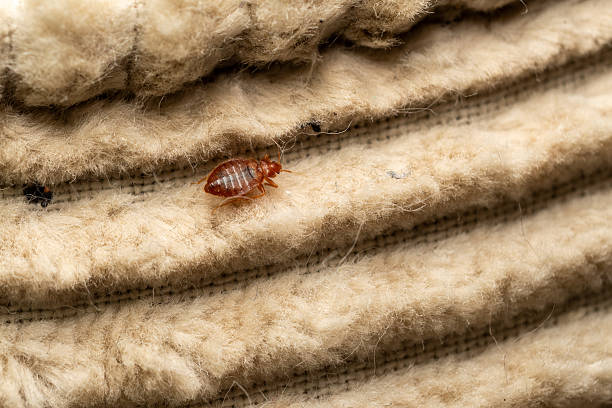
Bed bugs are small, reddish-brown insects that feed on human blood, usually at night. They hide during the day and are commonly found in mattresses, furniture, and cracks in walls or floors.
Recognizing an infestation early is key to effective treatment for bedbugs. Common signs include:
Bed bugs are notoriously difficult to remove because:
These factors make professional exterminators for bed bugs the most reliable solution.
The first step in understanding how bed bugs are exterminated is a detailed inspection. Professionals examine common hiding spots to confirm the infestation and assess its severity.
Some companies offer bed bug canine inspection in NYC, where trained dogs are used to detect bed bugs with a high level of accuracy.
Preparation is crucial for effective extermination. Homeowners are usually asked to:
Proper preparation ensures that the best way to eliminate bed bugs works effectively.
Professionals use a combination of methods depending on the infestation:
In most cases, how exterminators get rid of bed bugs involves combining these methods for maximum effectiveness.
Bed bug extermination doesn’t end with one treatment. Follow-up visits are essential to:
Monitoring devices may also be used to confirm complete eradication.
The timeline for the bed bug extermination process varies:
The duration depends on factors like infestation size, home size, treatment method, and how well preparation guidelines are followed.
The cost of bed bug extermination in NYC varies depending on the severity of the infestation, the size of the area, and the treatment method used. Severe infestations or larger spaces typically require more extensive treatment.
Final pricing depends on:
Hiring professional exterminators for bed bugs may seem costly, but it ensures thorough and lasting results.
Safety measures are essential to ensure the treatment for bedbugs is both effective and risk-free.
Preventing reinfestation is just as important as elimination. Here are practical tips:
Consistent prevention is the best way to eliminate bed bugs before they become a serious problem.
Understanding how bed bugs are exterminated helps you take the right steps toward a pest-free home. The process involves inspection, preparation, targeted treatments, and follow-up monitoring. While DIY methods may offer temporary relief, professional services provide the most reliable and long-lasting results. By combining effective extermination with preventive measures, you can ensure your home stays bed bug-free.
Yes, preparation is essential. Cleaning, decluttering, and laundering items help ensure the bed bug extermination process is effective.
Yes, reinfestation is possible if preventive measures are not followed or if eggs survive initial treatments. Regular monitoring helps prevent recurrence.
Heat treatment raises room temperatures to levels that kill bed bugs and their eggs. It penetrates deep into furniture and cracks, making it highly effective.
Not always. Depending on the severity, multiple treatments and follow-up visits may be required to fully eliminate bed bugs.


September 25, 2026
If you find a bed bug crawling across your mattress, reaching for rubbing alcohol may seem like a quick and

September 3, 2026
Finding a bed bug in your home can immediately raise one question: How fast do bed bugs spread? Bed bugs

We are a discreet, bed bug inspection company that employs trained, bed bug canines saving you thousands of dollars and giving you peace of mind.

