
December 28, 2023
Bathroom bugs are a common yet often overlooked nuisance that can pose significant threats to our health and homes. Learning about these tiny invaders, their habits, and how to control them is the first step towards safeguarding our bathrooms and overall well-being. One effective method is by tiny specks of dirt identifying bugs found in bathrooms, which allows us to recognize and address the issue promptly.

Bathrooms, with their damp and humid environment, can be a haven for a variety of tiny bugs such as:
These bugs can often be found on the bathroom floor, seeking moisture and organic matter near the bathroom window.
While most of these insects are harmless, some like the German cockroaches can contaminate food and spread diseases, posing a significant risk to our health. Other insects, however, do not pose such threats.
These bugs are attracted to bathrooms due to the presence of moisture, humidity, and organic residues in the drain systems. For instance, springtails are drawn to standing water and leaking pipes, while predator bugs follow their prey into bathrooms. Higher humidity levels can also serve as an inviting habitat for various types of insects. Therefore, identifying the specific pests in our bathrooms is key to their successful removal using methods such as sticky traps.
Among the most common bathroom bugs are drain flies and booklice, as well as other tiny bugs that may inhabit damp areas. Characterized by their small black bodies with hairy features and antennae, drain flies can be mistaken for specks of dust when undisturbed. On the other hand, booklice are small, greyish-brown insects drawn to moisture and mildew.
Drain flies live and breed near bathroom drains, unused toilets, and standing water, laying their eggs in the built-up sludge of sink and shower drains. Their presence can indicate plumbing issues, although they are generally not harmful and only have the potential to cause allergies or discomfort.
Detecting a bug infestation early can make all the difference in managing it effectively. Signs of a drain fly infestation, for instance, include:
Drain flies thrive in environments with stagnant or standing water. Common sources of infestation include slow or clogged drains, rarely used and unused toilets, as well as refrigerator drain pans.
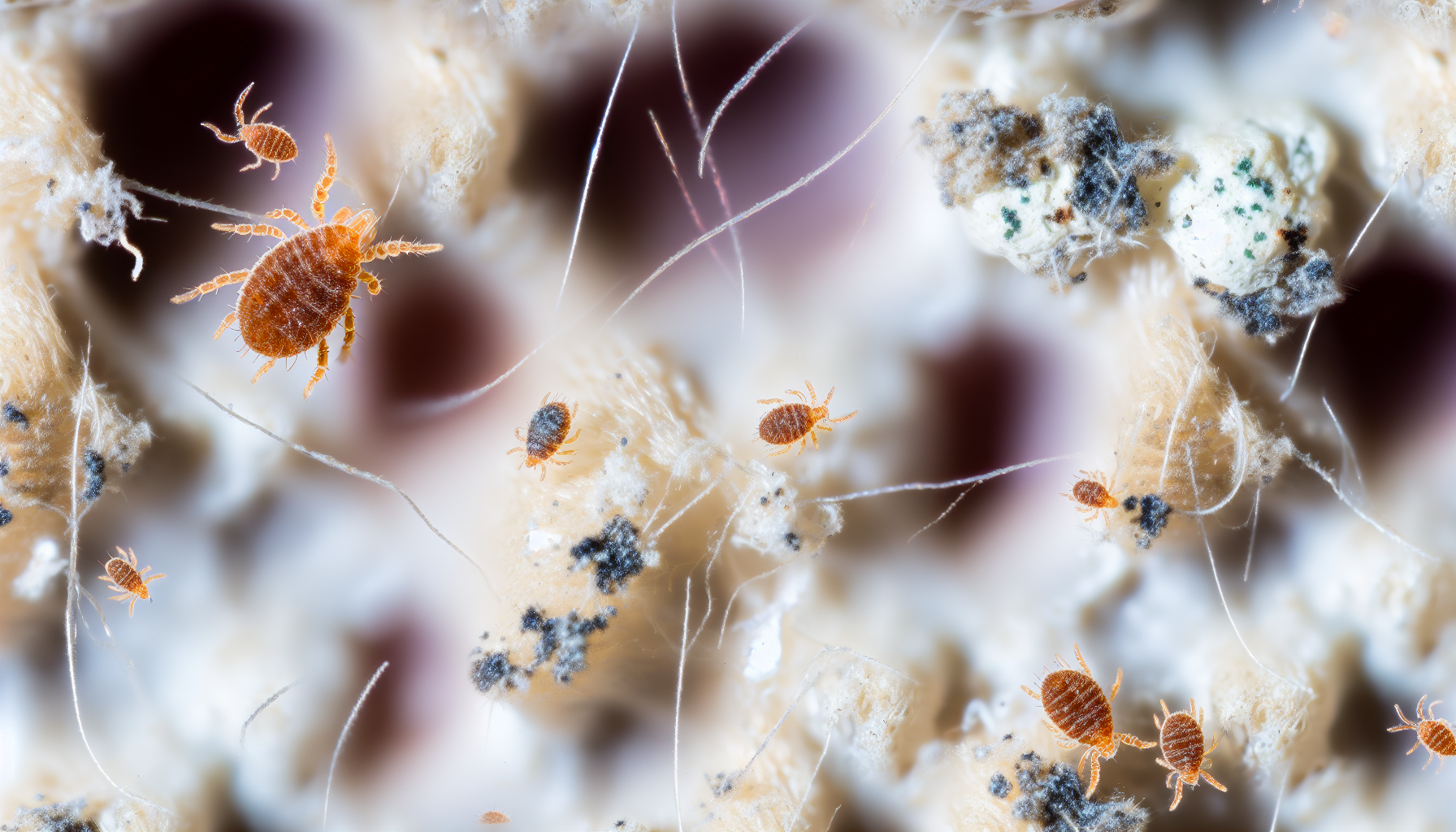
Microscopic bugs like dust mites and mold mites, although not visible to the naked eye, can cause significant harm. Dust mites consume molds and organic debris, making them significant in bathrooms due to the prevalence of mold caused by elevated moisture levels. Fungus beetles, attracted to mold and damp conditions, can also be found in bathrooms.
Dust mites have several characteristics that can be problematic for individuals who are exposed to them in their environment. These include:
These characteristics pose a significant health concern and should be addressed to minimize exposure.
Beyond the bugs we can see, there are also invisible bathroom insects such as cockroaches, silverfish, and sewer flies that can infest our bathrooms. These bugs can be detected through direct observation, especially if these pests are found repeatedly in your bathroom. This may also indicate an underlying problem like rotting wood due to leaking pipes or built-up moisture.
Invisible bathroom insects are drawn to the moisture and humidity in bathrooms, as well as the presence of other small insects which can serve as a food source. If left unchecked, these insects can lead to property damage, particularly if their presence is linked to issues such as moisture damage.
Effective management of bathroom bugs requires a clear understanding of the species involved. Various species of bathroom bugs can be commonly found, such as:
These bugs come in all shapes and sizes. For example, common bathroom bugs such as:
They typically have three distinct body sections: head, thorax, and abdomen, and come in colors such as black, brown, or red.
Comprehending the lifecycle of a bug is fundamental in controlling its population. The lifecycle stages of common bathroom bugs such as drain flies can vary from as short as 8 days to as long as 24 days, with booklice averaging around 24 days. These lifecycles are influenced by environmental factors like temperature and humidity.
Bathroom bug eggs typically hatch within a span of seven to 35 days, transforming into larvae. The lifespan of adult bathroom bugs varies depending on the species. Flies typically live for 15 to 25 days, while adult bed bugs can survive for 4 to 6 months under favorable conditions. Knowing a bug’s lifecycle allows for targeted interventions at specific developmental stages, leading to more effective management of the pest population.
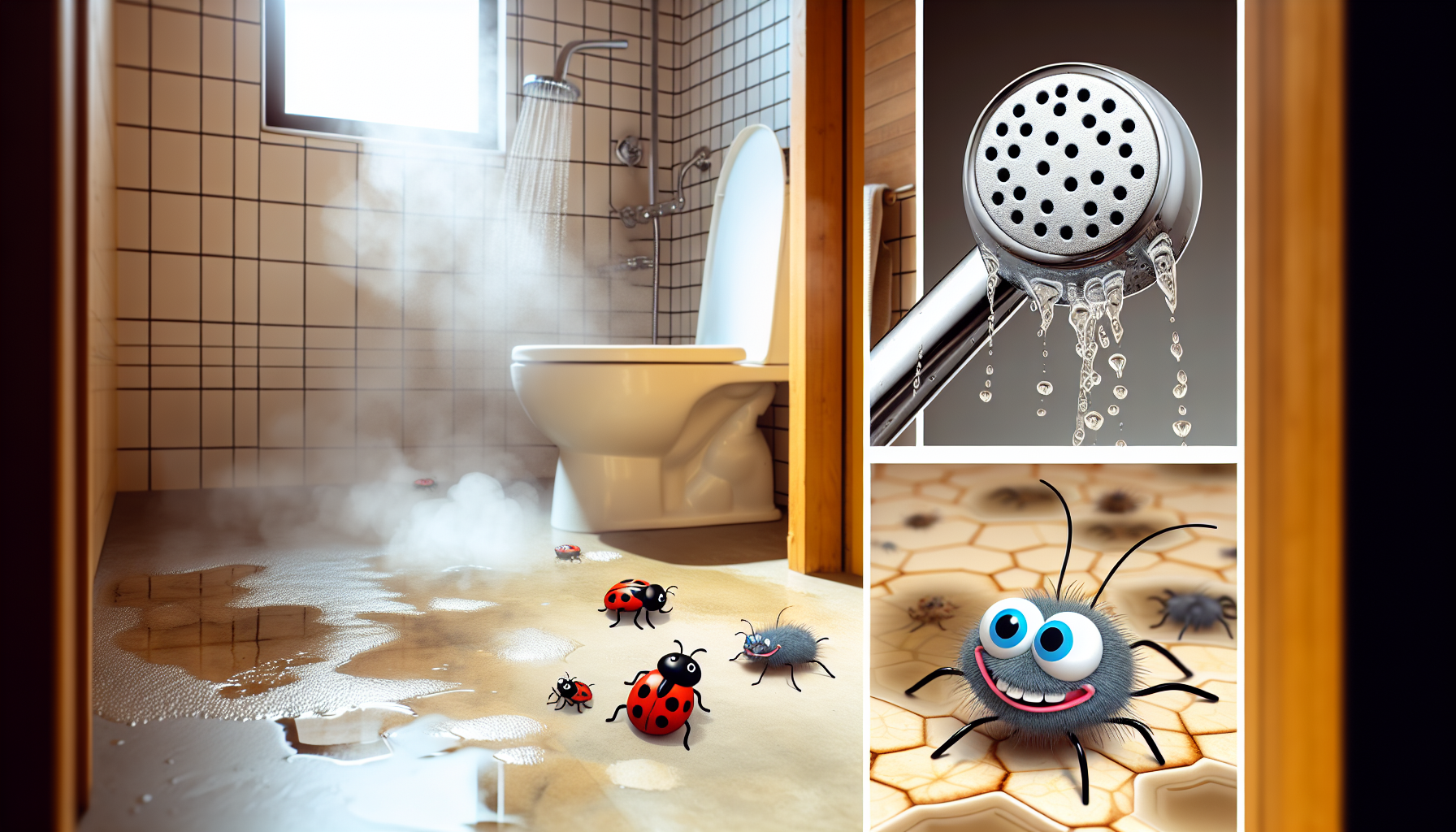
Moisture is a major attraction for many bathroom bugs, including carpenter ants, as they thrive in moist environments. Various bugs like mosquitoes require standing water for egg-laying, and termites need moist wood to effectively break down cellulose.
Insects such as gnats, sewer flies, drain flies, cockroaches, ants, and silverfish are commonly drawn to the moisture present in bathrooms. Controlling moisture levels in a bathroom helps prevent bug infestations by reducing the attraction for pests. This can be achieved by maintaining a dry bathroom environment and addressing any issues of water leakage or excess humidity.
Prevention is better than cure, and this rings true when it comes to bathroom bugs. Regular cleaning is beneficial in preventing bathroom bug infestations by reducing the availability of food, water, and shelter for bugs. It also helps in identifying and sealing any openings or cracks where bugs can enter the bathroom.
Proper ventilation is another key tool in your arsenal against bathroom bugs. Proper ventilation significantly reduces moisture levels in the bathroom, making it less attractive to bugs and aids in preventing bug invasions.
If you’re wary of using harsh chemicals to combat bathroom bugs, you’re in luck. There are effective natural remedies and DIY solutions you can use. Essential oils like lavender, peppermint, citronella, and eucalyptus can make effective insect repellent sprays for bathrooms. Homemade bug sprays made with ingredients such as garlic, nettle, soap, tomato, basil, and herbs can also combat bathroom mites.
For drain flies, you can clean the bathroom drain with boiling water or use a mixture of baking soda, vinegar, and salt. For other bathroom bugs, spraying a mixture of equal parts vinegar and water directly on the bugs can help eliminate them. Setting up a trap with a bowl of apple cider vinegar and dishwashing detergent can also be effective, especially for fruit flies.
Although many infestations can be managed with regular cleaning and DIY solutions, there comes a time when professional help is needed. Bed bugs, for instance, can infest bathrooms by hitching a ride on clothes and bedding. Signs of a severe infestation include small dark brown or black stains on bedding or furniture, as well as rusty or reddish stains caused by bed bug excrement.
It is important to thoroughly inspect your entire home if you find a bed bug in the bathroom. This will help you assess the extent of the infestation. If traditional cleaning and maintenance approaches prove ineffective in managing the infestation, it’s advisable to contact discreet bed bug inspections who can offer a range of services designed to address and eliminate bathroom bug infestations. Contact us today!
Keeping your bathroom clean and well-maintained is one of the most effective ways to deter bugs. It is recommended to clean your bathroom once a week to prevent bug infestations. Effective cleaning practices include thoroughly cleaning the bathroom and keeping drains clean.
Certain cleaning tools such as Windex, which is toxic to most pests, can help in preventing infestations of bugs in the bathroom. Maintaining a clean and dry environment, addressing any leaks, and sealing cracks or openings are also important.
In conclusion, understanding the different types of bathroom bugs, their habits, and lifecycles can help you keep your bathroom bug-free. Regular cleaning, controlling moisture, and being vigilant about potential infestations are key to safeguarding your bathroom. When necessary, don’t hesitate to seek professional help. After all, your bathroom is a sanctuary and it deserves to be kept that way.
Springtails, also known as snow fleas, are tiny bugs that look like specks of dirt and thrive in wet or damp areas. They may appear like little particles of pepper in the snow.
Bathroom mites, such as mold mites, are tiny white to tan bugs that feed on mold, thrive in constant moisture, and can trigger allergic reactions in some people. They reproduce rapidly and produce allergens.
You can identify different bathroom bugs by observing their distinct characteristics. For example, drain flies are small black insects with wings, while booklice are greyish-brown and are attracted to moisture and mildew.
If you notice small moth-like flies around showers, bathtubs, sinks, and drains, or small brown larvae underneath drain covers in your bathroom, you may be dealing with a bug infestation. These tiny black bugs are often mistaken for specks of dirt.
To prevent bathroom bug invasions, regularly clean and maintain your bathroom, reduce moisture and humidity, and seal any openings or cracks where bugs can enter.
Featured Photo by Gwyn on Unsplash


July 31, 2026
Finding out you may have bed bugs can be stressful, especially because these tiny pests are experts at hiding. The

July 24, 2026
Bed bugs are small but extremely difficult pests to deal with. One of the biggest reasons they are so hard

We are a discreet, bed bug inspection company that employs trained, bed bug canines saving you thousands of dollars and giving you peace of mind.

