October 23, 2023
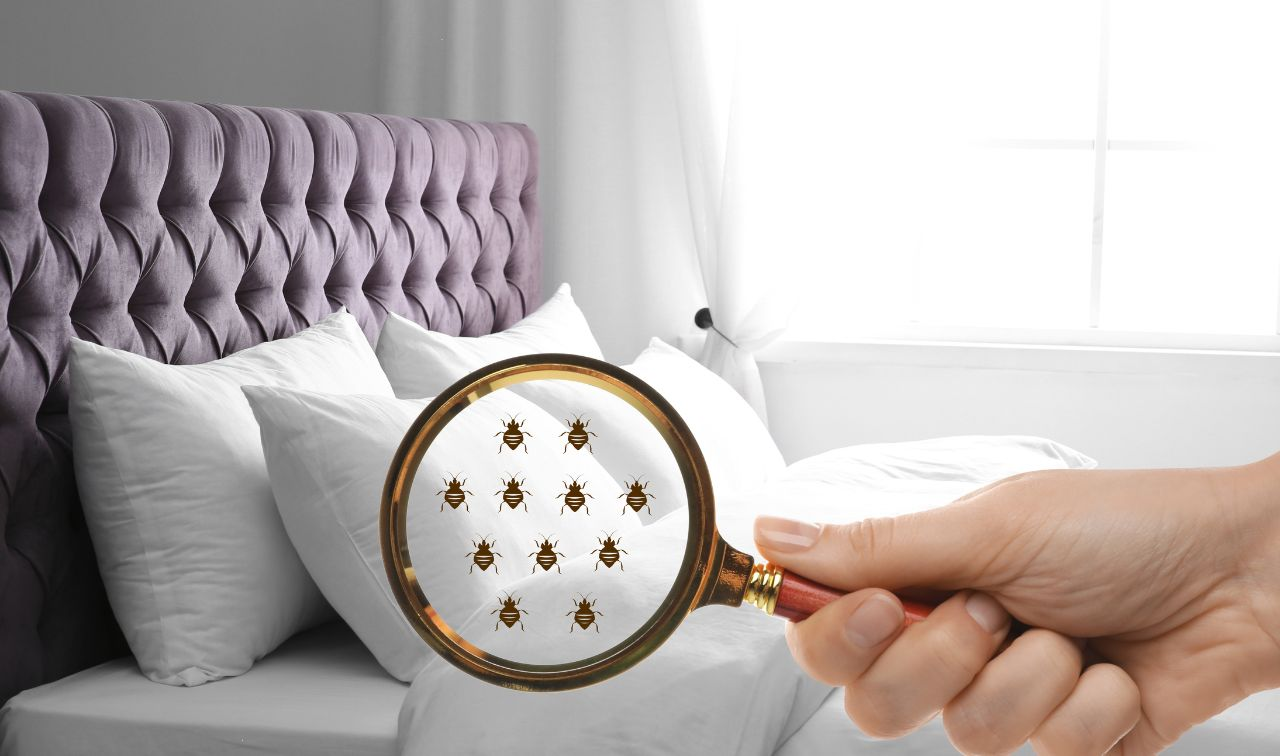
Are you struggling to identify whether those uninvited guests in your home are bat bugs or bed bugs? You’re not alone. These pests can look remarkably similar, making identification difficult without close examination or professional identification.
Bat bugs and bed bugs look very similar, but they differ mainly in their preferred hosts and where they are found. Bat bugs are associated with bats and are commonly found near bat roosting areas, while bed bugs primarily infest areas close to human hosts. Bat bugs also have longer hairs around the pronotum, or upper thorax, than bed bugs, although this feature can be difficult to see without magnification.
This guide explains what do bat bugs look like, how bat bugs compare with bed bugs, where each pest is found, the signs to look for, and why accurate identification matters for treatment.
|
Feature |
Bat Bugs |
Bed Bugs |
| Preferred host | Primarily bats | Primarily humans |
| Common habitat | Bat roosts, attics, eaves and wall spaces | Beds, furniture and areas near people |
| Body appearance | Very similar to bed bugs | Small, oval and flattened |
| Key physical clue | Longer hairs around the pronotum | Shorter hairs around the pronotum |
| Can bite humans? | Yes, particularly when bats are unavailable | Yes |
| Identification | May require magnification | May require close inspection |
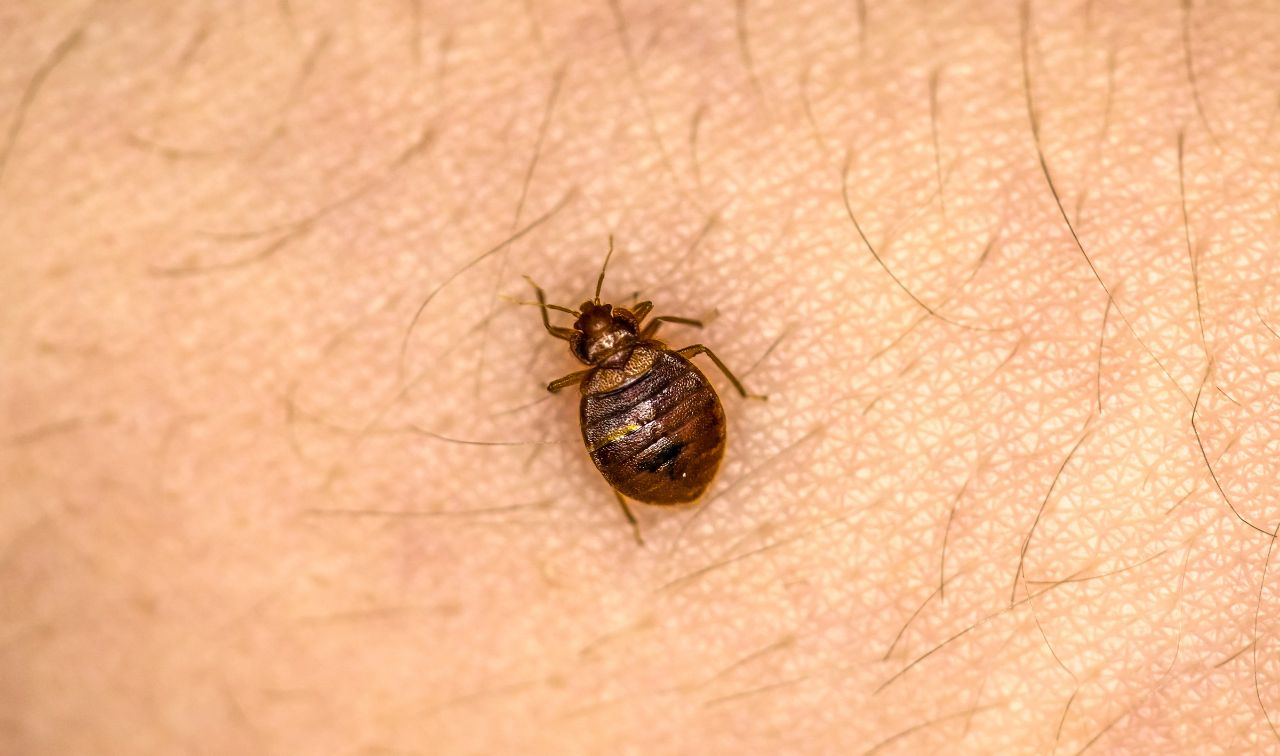
If you are wondering what do bat bugs look like, they are small, oval, flattened insects that closely resemble bed bugs. Their appearance can vary depending on whether they have recently fed.
One of the most useful identifying characteristics is the presence of longer hairs around the upper thorax or pronotum. However, these hairs are difficult to evaluate accurately with the naked eye, so professional identification may be necessary.
Bat bugs and bed bugs are so similar that even a close visual inspection may not provide a definite identification. Instead of relying only on color or size, look at the insect’s physical characteristics and where it was found.
The longer hairs around the pronotum are one of the most useful distinguishing characteristics of bat bugs.
Size should not be used as the only way to distinguish bat bugs vs bed bugs because their sizes overlap considerably. Adult bed bugs are generally around 5–9 mm long, while bat bugs can be similar in size. This makes location, host association, and physical examination more useful than relying on a small difference in length.
Color can provide a general clue, but it is not a reliable way to identify bat bugs. Both pests can appear brown or reddish-brown, particularly after feeding.
For this reason, avoid identifying a suspected bat bed bug based solely on its color. Consider the insect’s physical characteristics and where it was discovered.
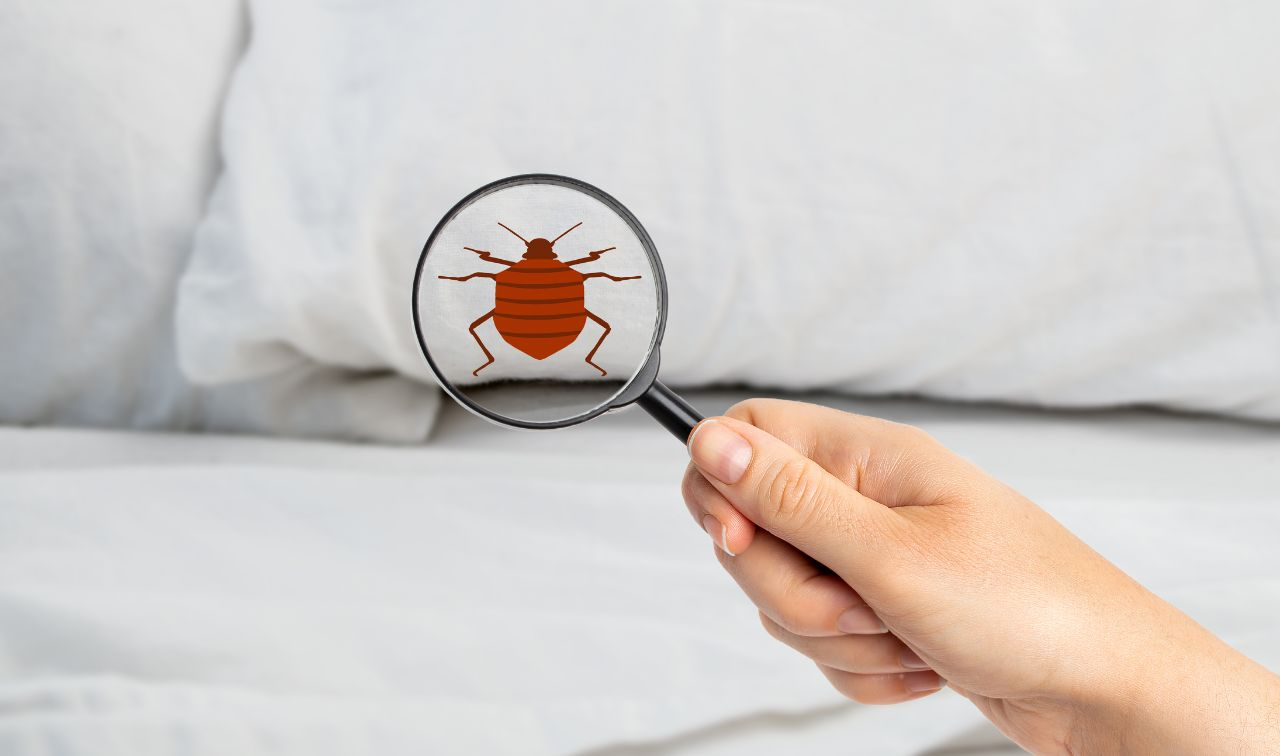
Habitat is one of the most useful practical clues when comparing bat bugs vs bed bugs.
Bat bugs are associated with areas where bats roost, including attics, eaves, wall spaces, and other protected locations. Bed bugs are more commonly found near people, particularly around beds, mattresses, furniture, and other areas where people sleep or rest.
Bat bugs are commonly associated with bat roosting areas such as attics and eaves. They may also move into other areas of a building if their preferred host is no longer available.
If you find small bugs on walls, ceilings, around light fixtures, or near an attic where bats may be present, bat bugs should be considered as one possible explanation.
Bed bugs usually live close to their feeding hosts. Common hiding locations include:
Bed bugs may also be found in other rooms, so finding a bug away from a bed does not automatically rule out a bed bug infestation.
The host is another important difference between bats and bed bugs.
Bat bugs primarily use bats as their preferred hosts. If bats are no longer present in a roost, bat bugs may move in search of another blood meal and can bite people.
Bed bugs primarily feed on humans, although they can also feed on other warm-blooded animals.
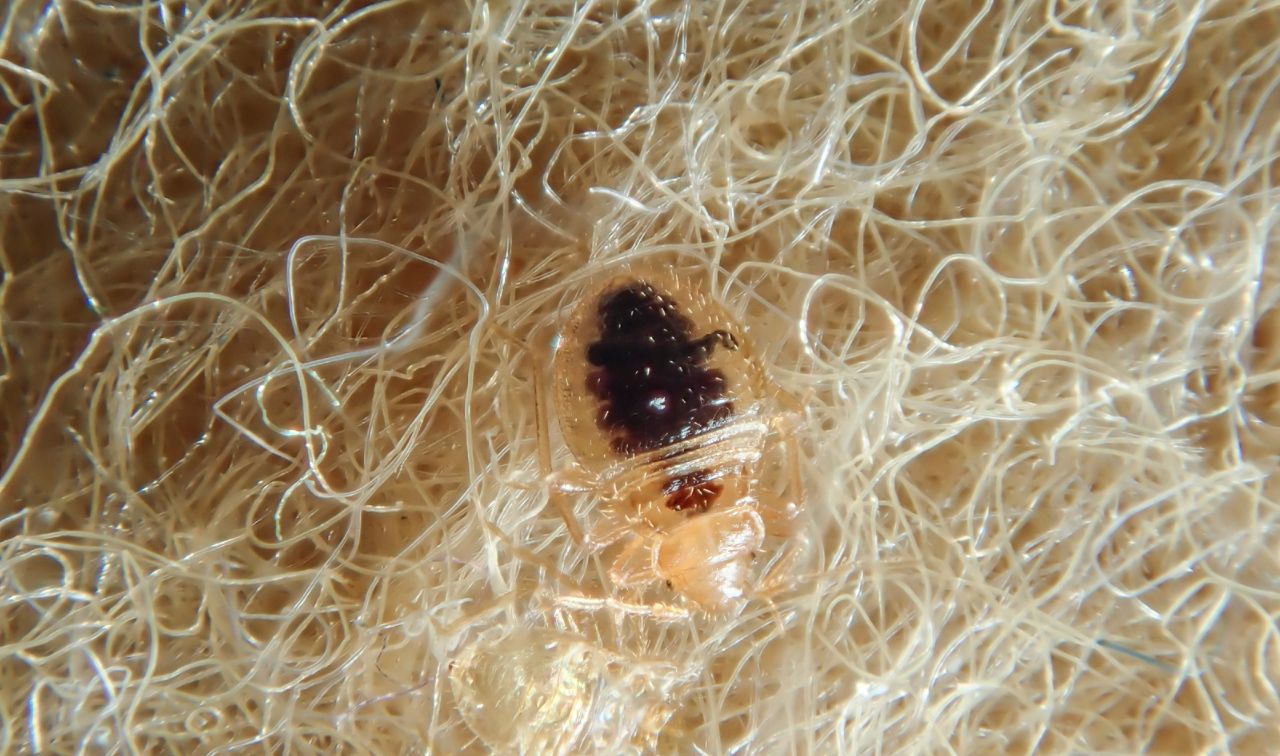
Identifying the unique signs of infestation for both bat bugs and bed bugs is vital for successful treatment. Bat bug infestations are often indicated by their presence on walls and ceilings near bat habitats, while bed bug infestations are marked by their proximity to human sleeping areas and evidence of bites. Knowing the specific signs of infestation for each pest can help you take the proper steps to eliminate them from your home.
These indicators can also guide you on when to call a pest control expert, like Discreet Bed Bug Inspections. Proper identification and successful treatment are crucial to maintaining a pest-free home.
Bat bug infestations can be identified by their presence in the following areas:
Observing these pests in these areas may indicate a bat bug infestation.
Additionally, experiencing bat bug bites on the skin, which may cause redness, itching, and swelling, can also be a sign of a bat bug infestation.
In contrast, bed bug infestations can be identified by their proximity to human sleeping areas and any evidence of bites. Regularly inspecting your bedding, furniture, and surrounding areas for signs of bed bugs is crucial for catching an infestation early.
Common signs of bed bugs include:
Skin reactions should not be used as the sole method of identifying bed bugs because bite reactions can vary and can resemble reactions caused by other conditions or insects. Finding and identifying the insect is more reliable.

The treatment approach can be very different depending on whether you are dealing with bat bugs or bed bugs.
For bat bugs, addressing the associated bat roost is an important part of resolving the problem. Bat exclusion should be handled appropriately by qualified wildlife professionals, followed by treatment of remaining bat bugs when necessary.
For bed bugs, treatment may involve professional inspection, targeted insecticide applications, heat treatment, or an integrated pest management approach.
If bat bugs are suspected, the first step is accurate identification and inspection of areas where bats may be roosting.
A professional approach may include:
The key is to address the source rather than treating only the areas where individual bugs are found.
Bed bug infestations often require professional treatment. Depending on the infestation, pest management professionals may use targeted insecticides, heat treatment, monitoring, or a combination of control methods.
Because bed bugs can hide in very small cracks and crevices, identifying the infestation and locating its hiding areas are important parts of effective treatment.
Accurate identification of pests is crucial for effective treatment, but it can be challenging when other pests closely resemble bed bugs. Some of these pests include spider beetles, carpet beetles, and cockroach nymphs. Understanding the differences between these pests and bed bugs can help you accurately identify the culprit behind your infestation and ensure the best possible outcome in your battle against these pests.
In addition to the differences between bat bugs and bed bugs, it’s essential to be aware of these other pests that may be mistaken for bed bugs. Acknowledging their unique characteristics and habitats allows you to take the right steps to eliminate these pests from your home and maintain a pest-free environment.
Spider beetles, which don’t look like bed bugs, are smaller and have long legs and antennae. They also lack the reddish-brown color of bed bugs, making them easier to distinguish.
Spider beetles are often found in:
They are not known to be harmful to humans. Knowing the differences between spider beetles and bed bugs can help you accurately identify and treat your infestation.
Carpet beetles have a different body shape than bed bugs, and their larvae have a fuzzy, worm-like appearance. Unlike bed bugs, carpet beetles do not bite humans and are primarily a nuisance due to their feeding habits on carpets, clothing, and upholstered furniture.
By recognizing the differences between carpet beetles and bed bugs, you can better determine the appropriate treatment strategy for your specific situation.
Cockroach nymphs are another pest that may be mistaken for bed bugs. They are generally larger in size, have elongated bodies, and are characterized by prominent antennae. Unlike bed bugs, cockroach nymphs do not feed on blood and are considered a separate type of nuisance pest. However, bed bug nymphs, which are smaller and feed on blood, can also be mistaken for bed bugs due to their appearance similar to bed bugs.
Understanding the differences between cockroach nymphs and bed bugs can help you accurately identify the pest in question and ensure the proper treatment is applied.

When confronted with bat bug and bed bug infestations, it’s vital to engage a pest control expert like Discreet Bed Bug Inspections. Proper identification and successful treatment are key to effectively eliminating these pests from your home.
Pest control experts can accurately identify the culprit between bat bugs and bed bugs, ensuring proper treatment and preventing future infestations. Don’t hesitate to seek professional help when dealing with these unwelcome pests, and protect your home and loved ones from the discomfort and stress they can cause.
Pest control experts are skilled in accurately identifying the culprit between bat bugs and bed bugs, ensuring proper treatment and prevention measures are taken. By enlisting the help of a professional, you can be confident that your infestation will be effectively treated, and your home will remain a comfortable and pest-free environment.
Avoid the risk of misidentification and inefficient treatment; rely on the experts to handle the task effectively.
For both bat bug and bed bug infestations, professional treatment options include targeted insecticides, heat treatments, and exclusion methods. These methods, when applied by a skilled pest control expert, can effectively eliminate your infestation and prevent future occurrences.
Opting for professional treatment ensures a pest-free home, allowing your family to enjoy a safe and comfortable living space.
In conclusion, Bat bugs vs bed bugs can be difficult to distinguish because these pests look very similar. The most useful clues include the insect’s physical characteristics, preferred host, and location. Bat bugs are primarily associated with bats and their roosting areas, while bed bugs primarily feed on humans and are generally found close to sleeping or resting areas. If you find an insect that looks like a bed bug, avoid relying only on color, size, or bite marks for identification. A professional K9 bed bug inspection can also help accurately detect and identify bed bug activity, especially when signs are difficult to spot. Professional identification can help determine which pest you are dealing with and guide the appropriate treatment approach.
To identify if you have bed bugs or bat bugs, look for longer hairs on the upper thorax of the bug. If present, these could indicate a bat bug, which feeds on bats or birds as opposed to humans like bed bugs.
Yes, adult carpet beetles look similar to bed bugs in length, oval shape, black color, white pattern and orange or red scales. There are several species of carpet beetles that resemble bed bugs.
Bat bugs are mainly found in areas that harbor bats, such as attics and may become established in mattresses, box springs, bed frames, and furniture. However, they typically do not infest beds or remain near beds, furniture, or voids close to areas you frequently inhabit.
The main difference between bat bugs and bed bugs is their preferred hosts, with bat bugs feeding on bats and bed bugs preferring humans.
It is essential to call a pest control expert immediately for accurate identification and effective treatment of bed bug infestations. DIY methods may not be sufficient.
Bat bugs and bed bugs look very similar, but bat bugs typically have longer hairs around the pronotum. Their habitat can also help: bat bugs are associated with bat roosts, while bed bugs are usually found near sleeping areas.
Yes. Bat bugs can remain in a home after bats are gone and may feed on humans when their preferred host is unavailable. Professional inspection and treatment may be needed to eliminate them.
Yes. If bats leave or are excluded, bat bugs may move from attics, wall voids, or other roosting areas toward bedrooms in search of a food source.


September 25, 2026
If you find a bed bug crawling across your mattress, reaching for rubbing alcohol may seem like a quick and

September 3, 2026
Finding a bed bug in your home can immediately raise one question: How fast do bed bugs spread? Bed bugs

We are a discreet, bed bug inspection company that employs trained, bed bug canines saving you thousands of dollars and giving you peace of mind.

